Teaching your dog or puppy to sit is one of those classic training skills that comes in handy far more often than you might think.
From waiting nicely before crossing the road to sitting calmly while you clip on their lead, it's a simple command that can make everyday life that little bit easier.
And the good news? It doesn't need to be complicated.
In this guide, we'll walk you through how to teach a dog to sit using simple, positive reinforcement, along with a few tips for keeping your dog focused and avoiding some of the most common training mistakes.
If you're wondering how to teach a puppy to sit, the same basic method applies too. Just keep things short, fun, and positive.
Step by step: Training your dog or puppy to sit
Before you begin training, pick an area that is fairly quiet or has minimal distractions.
If your dog is surrounded by people, other dogs, squirrels, interesting smells, and everything else the world has to offer, getting their full attention might be a bit of a challenge!
- Step 1: Bring your dog to a standing position and grab their attention by holding their favourite treat to their nose. The smaller the treat, the better!
- Step 2: Whilst keeping the treat close enough for them to follow, slowly move your hand upwards and slightly backwards over their head in an arc. As your dog follows the treat with their nose, their bottom should naturally lower to the floor. As soon as they sit, reward them with the treat.
- Step 3: Continue practising this movement in short but regular sessions so that your dog becomes more familiar with the motion and understands that sitting earns them a reward.
- Step 4: Once your dog is regularly following the hand movement into a sitting position, you can start introducing the cue “sit”. Say the word as they begin to move into the sitting position, then reward them once their bottom touches the floor.
TOP TIP: Try not to repeat “sit” several times if your dog does not respond straight away. Give them a moment to process the cue and use the hand movement again if they need a little help.
- Step 5: Keep practising in short, regular sessions. Once your dog has mastered the cue somewhere quiet, gradually try it in different places with a few more distractions.
- Step 6: Finally, introduce a release cue such as “okay” to let your dog know they can get back on their feet.

If you want to take it to the next level, why not teach your dog to stay too!
A reliable sit might seem like a small thing, but it can make a big difference when you’re out and about, greeting people or simply trying to get out of the front door without complete chaos.
Why the treats you choose matter
We all know dogs tend to be rather enthusiastic about treats, but why are treats so important during training?
Treats can make it much easier for your dog to understand when they've done something right. If sitting earns them something tasty, they're more likely to make that connection and repeat the behaviour again.
And when you're competing with everything else going on around them, the right treat can make quite a difference.
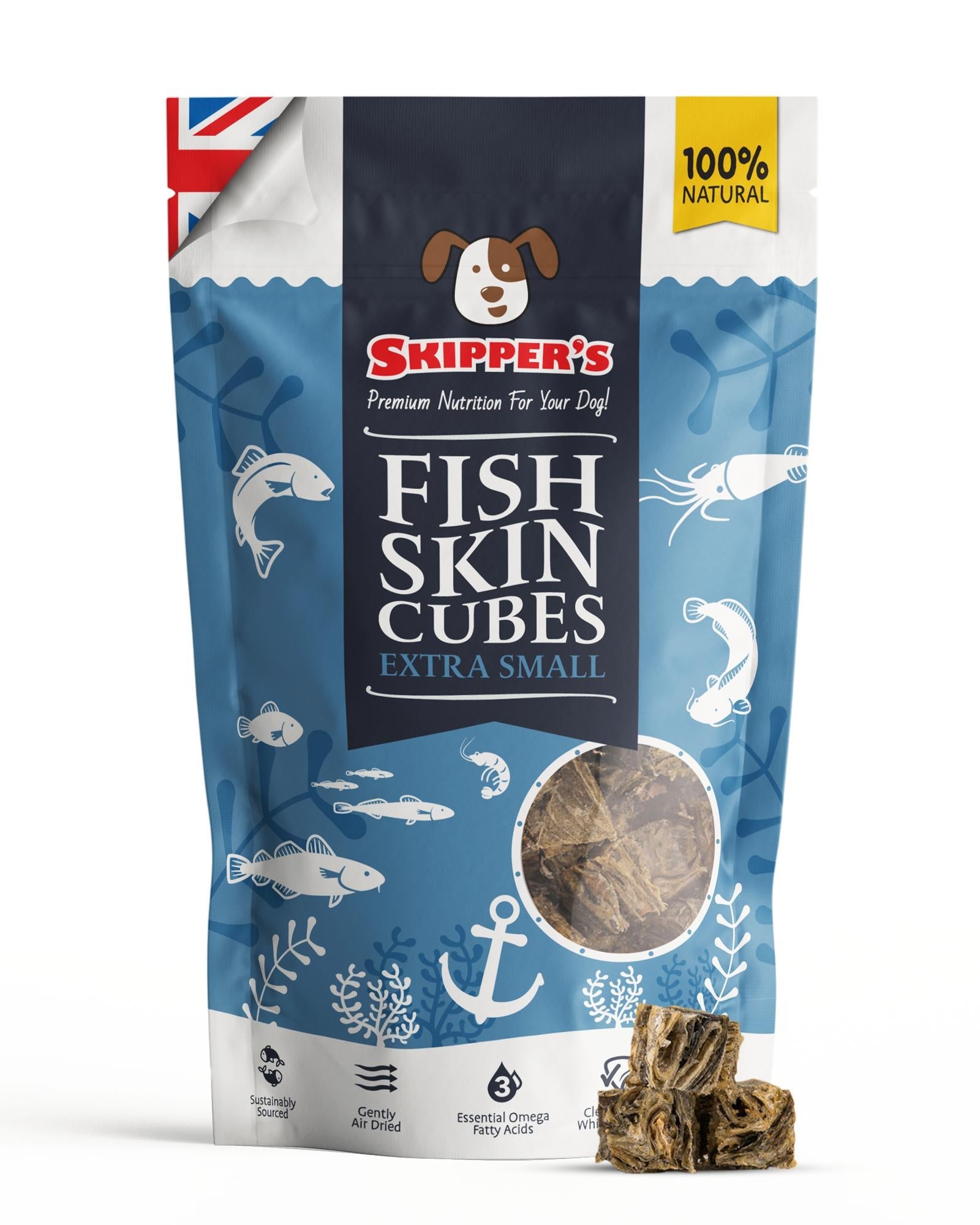
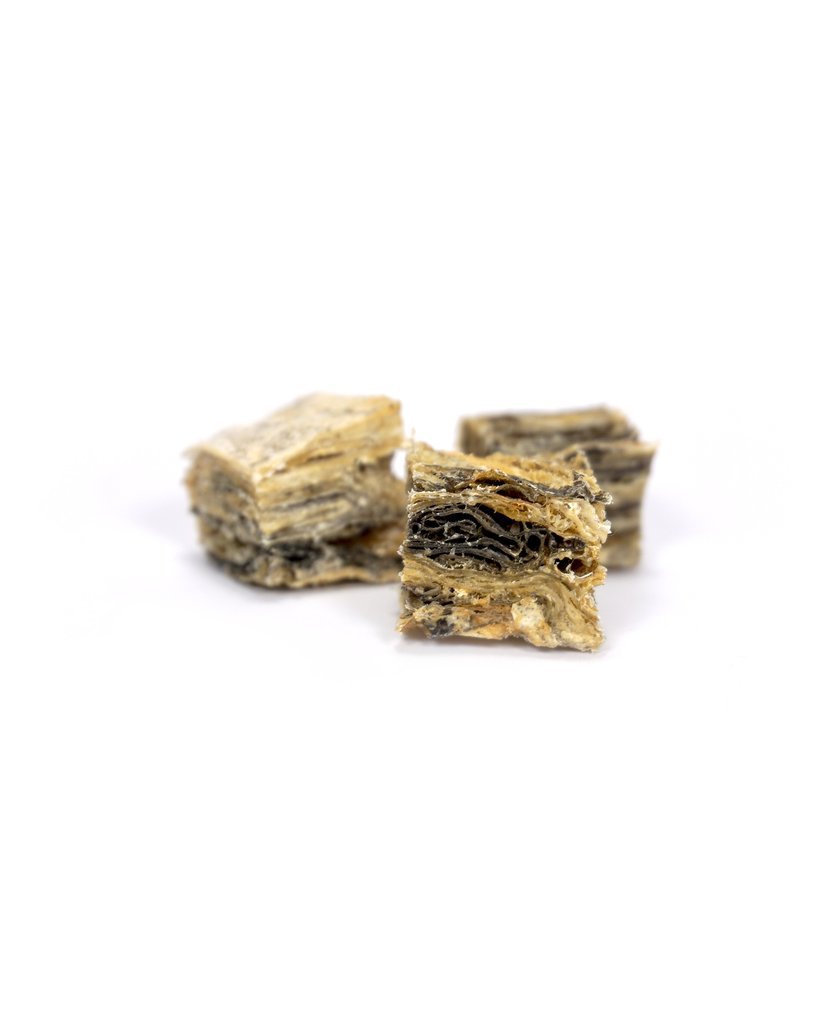
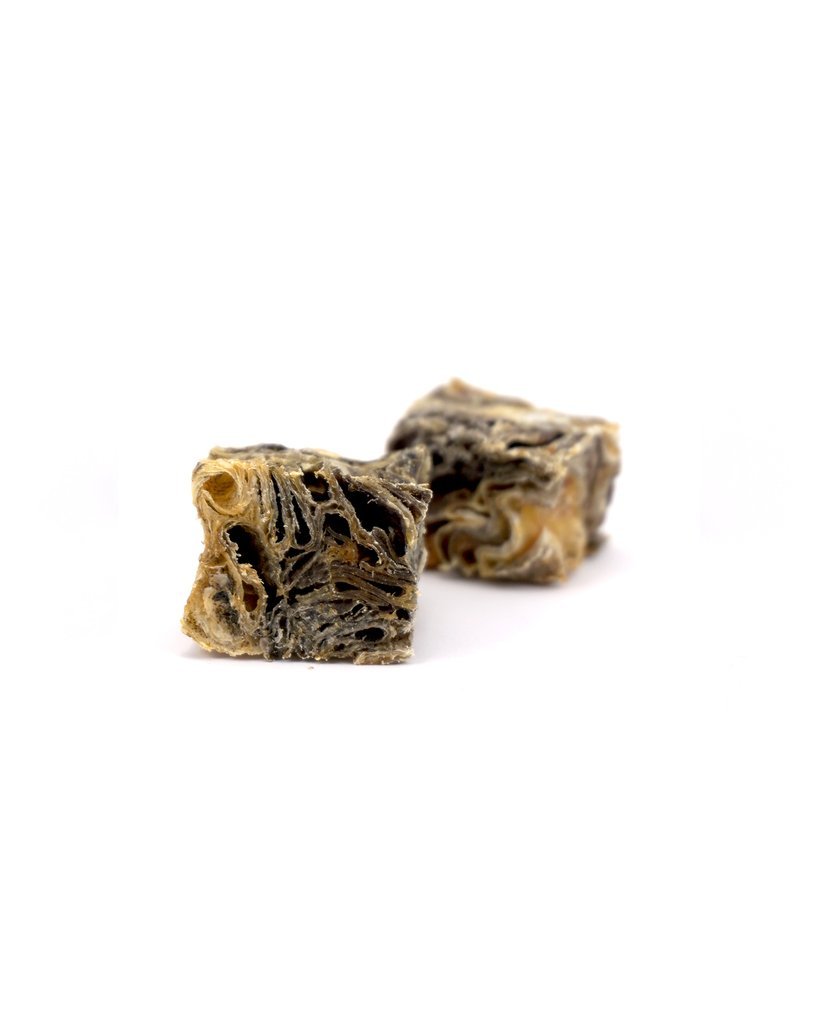
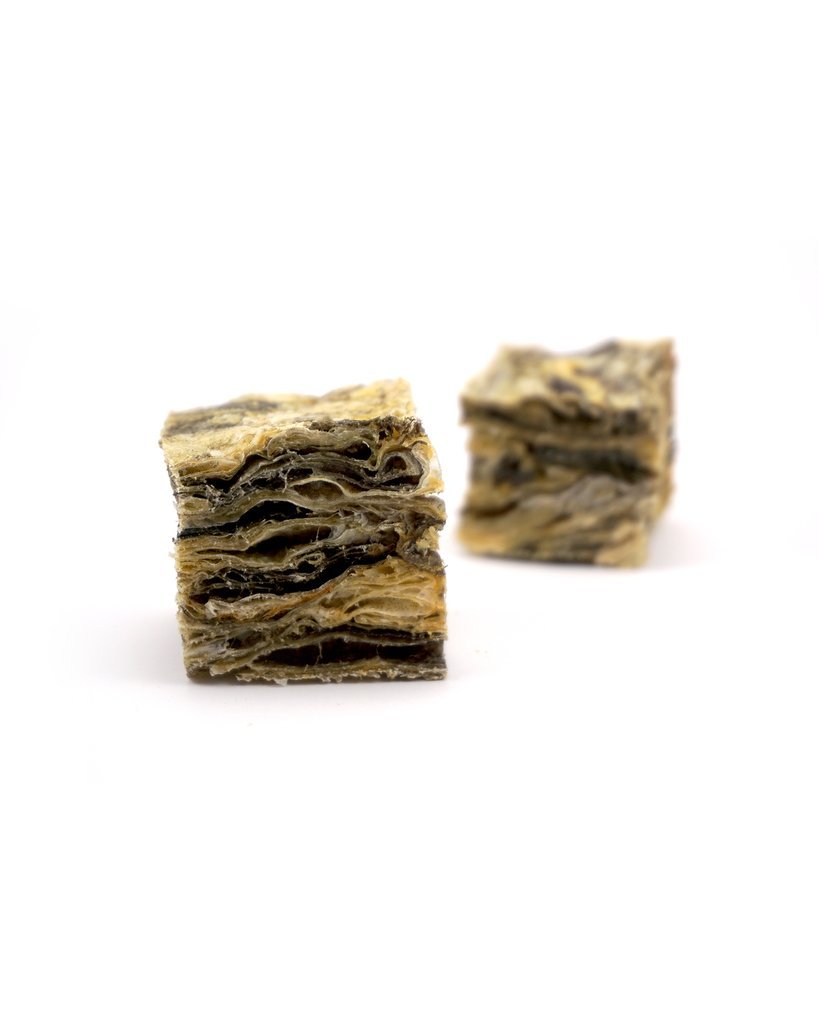
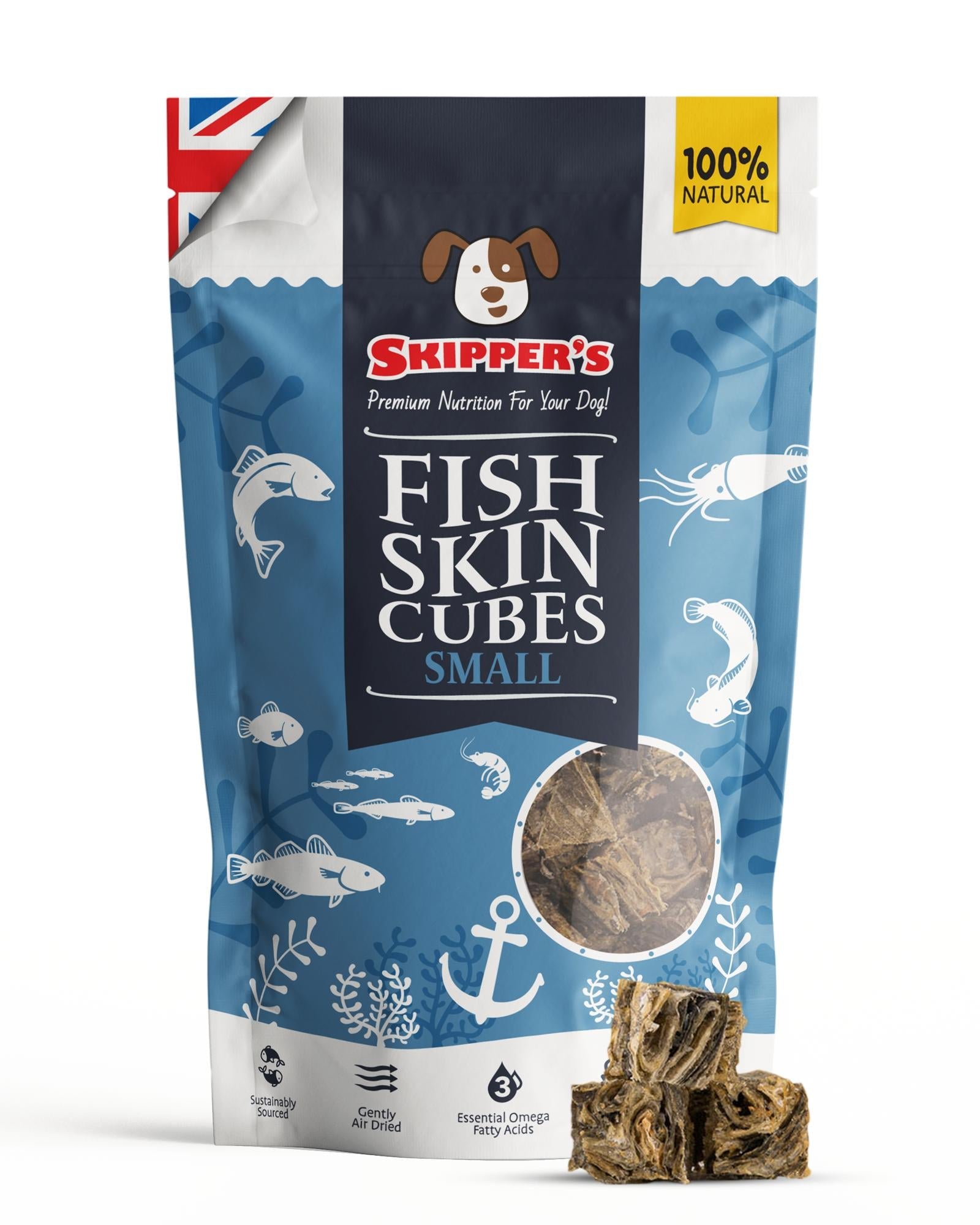
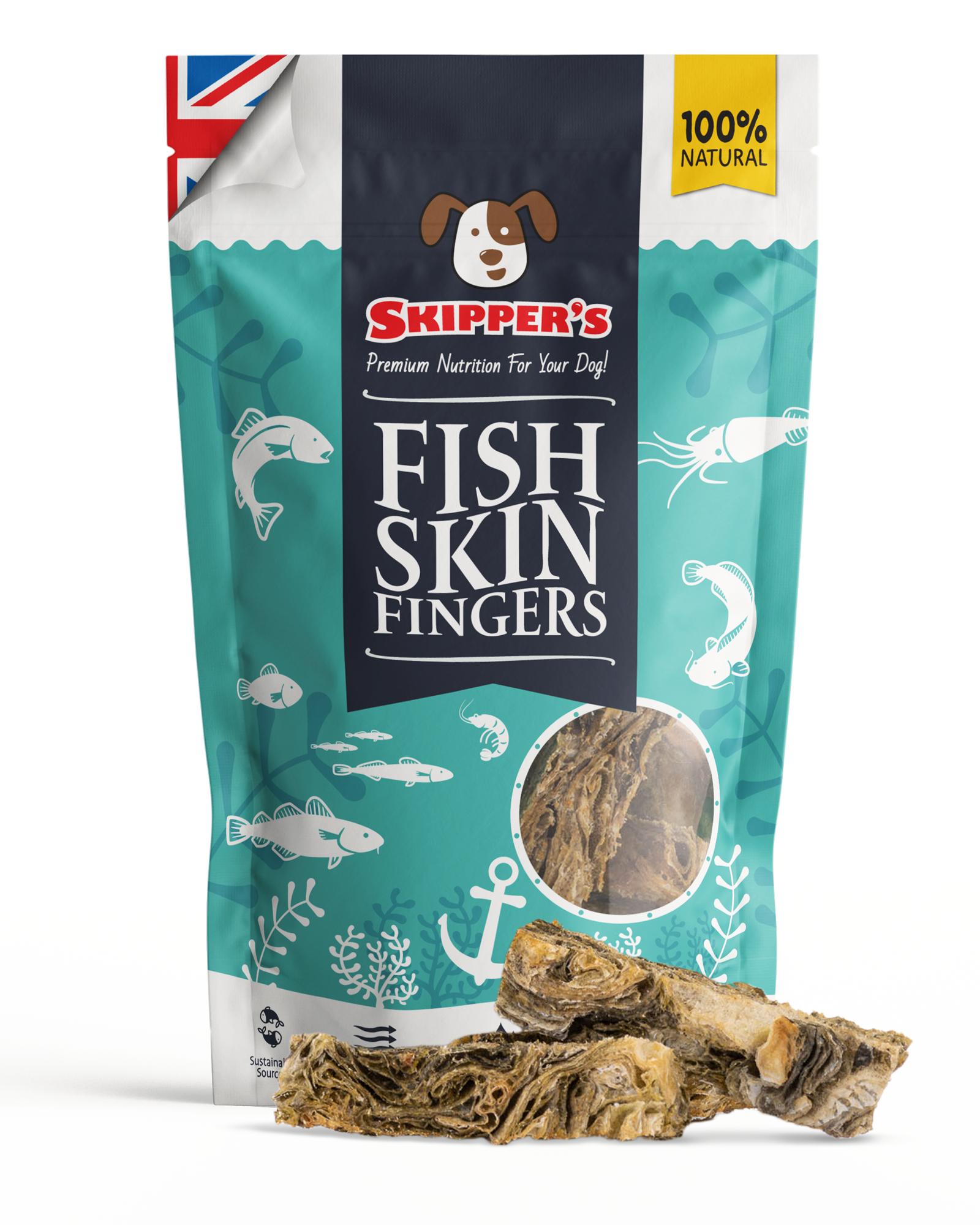
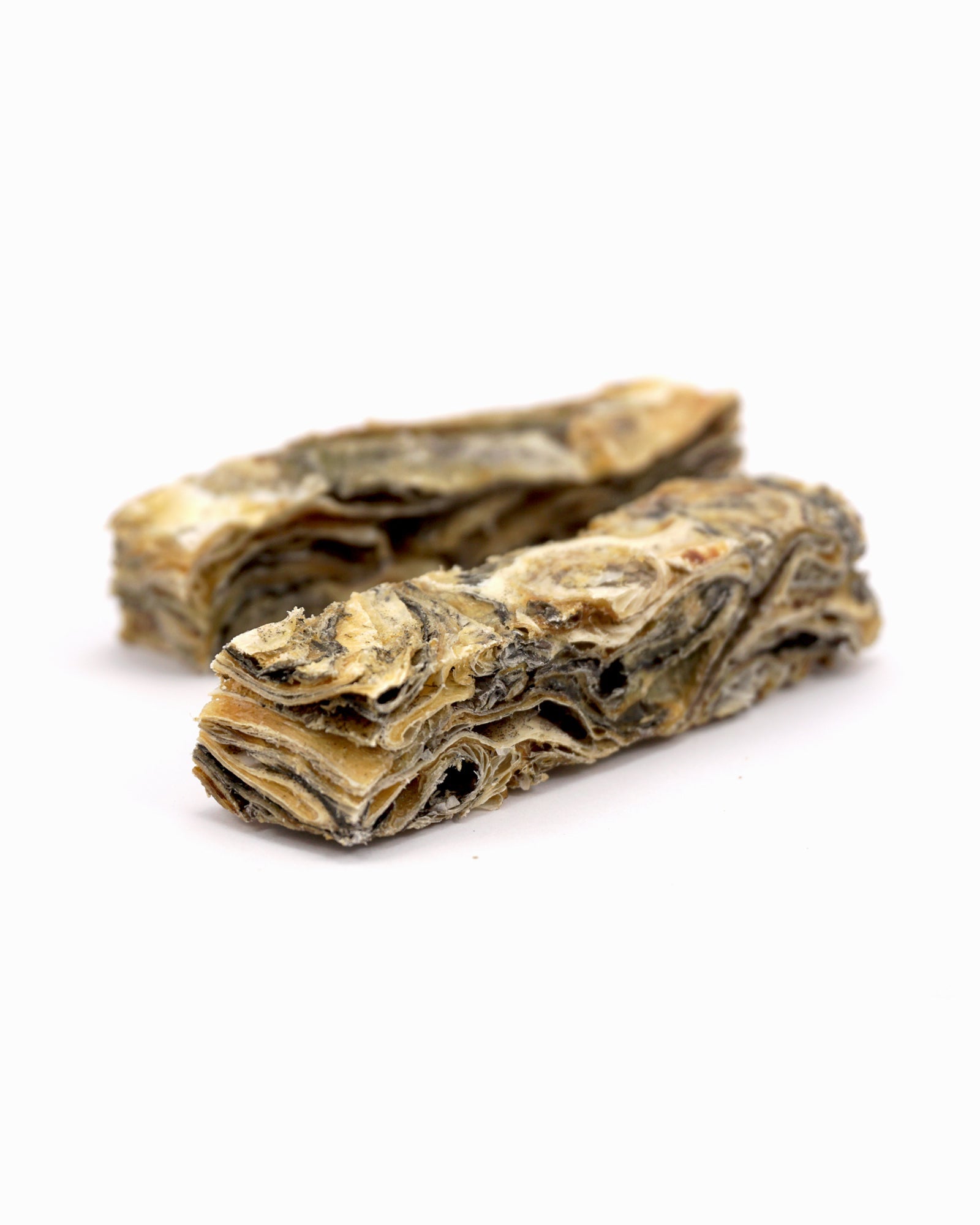
This is where smelly, high-value treats really come into their own. They might not be quite as appealing to us humans, but to your dog, that fishy smell could be exactly what keeps their attention on you instead of the squirrel at the other end of the garden.
Just keep the pieces small, particularly if you're doing lots of repetitions. You want plenty of opportunities to reward them without accidentally turning a five-minute training session into a second dinner!
We’ll leave a few smelly, particularly tempting dog training treat suggestions for you to check out below.
Best Dog & Puppy Training Treats
Fish Training Treats |
Dried Sprats |
Whitefish Sausages |

|

|

|
When you start training, keep things short, upbeat and rewarding.
Some dogs will pick up “sit” almost immediately. Others will need a little more time and repetition. That's completely normal.
Celebrate the small wins, keep practising, and before long you may find that one simple little word gets you a very neatly parked bottom.