




Recall training for dogs is a vital skill for every dog owner. It ensures your dog returns when called, keeping them safe and secure.
Mastering dog recall can be challenging, but it's achievable with the right techniques. Consistency and patience are key to success.
This blog will provide you with effective strategies to improve your dog's recall abilities. You'll learn how to teach a dog recall using positive reinforcement and fun activities.
We'll explore the importance of choosing the right recall cue and rewards. You'll also discover how to handle common recall problems and advance your training with distractions, using tips provided by Dog Trainer and Behaviourist, Adelaide Stewart-Jones from The Confident K9.
Whether you're a new dog owner or an experienced trainer, these tips will help you achieve reliable recall. Let's get started on this rewarding journey!
Why Recall Training Matters

Recall training is crucial for your dog's safety and well-being. It allows you to call your dog back in dangerous situations.
Without reliable recall, your dog might run into traffic or get lost.
Beyond safety, recall training provides mental stimulation and improves the bond between you and your dog. Responding to a recall command builds their confidence and trust. It also gives them the freedom to explore off-lead safely.
Reliable recall enhances your dog's overall behaviour and obedience. It integrates seamlessly into daily routines, such as walks and playtime. This integration makes life more enjoyable for both you and your furry friend.
Consider these key benefits of recall training:
- Ensures your dog's safety in potentially risky situations.
- Strengthens the bond between you and your dog.
- Improves overall obedience and provides mental stimulation.
Understanding the Basics of Recall Training
Recall training begins with a solid understanding of your dog's behaviour. Dogs need clear communication and consistent commands. They don't inherently understand the meaning behind words, so patience and clarity are key.
A distraction-free environment sets the stage for effective training. Start in a quiet area where your dog can focus on you. This establishes a foundation before gradually increasing the level of distractions.
Essential elements of recall training include selecting a unique cue. This cue should be used consistently and positively associated. Introducing rewards, such as treats or praise, enhances learning and makes recall training enjoyable.
Professional Dog Trainer and Behaviourist, Adelaide from The Confident K9, recommends starting this training at home. Begin inside of your house by trying to call your dog to you from another room. If they react accordingly, then try calling them over in the garden. If successful, this recall training can progress to a public, outdoor space.
Key Basics for Recall Training:
- Start in a distraction-free environment
- Use a consistent and unique recall cue
- Introduce positive reinforcement with treats or praise
When you begin training, focus on short, engaging sessions.
Dogs quickly lose interest if they become bored, so keep it lively. Throughout this process, remember to be patient and celebrate small successes. This journey is a rewarding experience for both you and your dog.
Choosing Your Recall Cue and Rewards
Selecting the right recall cue is crucial for effective training. Common cues include "come," a whistle, or a specific phrase. The chosen cue should stand out from other commands you use daily.
Consistency is key. Use the same cue every time you practise recall. This helps your dog associate the cue with the action of returning to you and by avoiding mixing cues, this will help prevent from confusing your dog and delaying recall training.
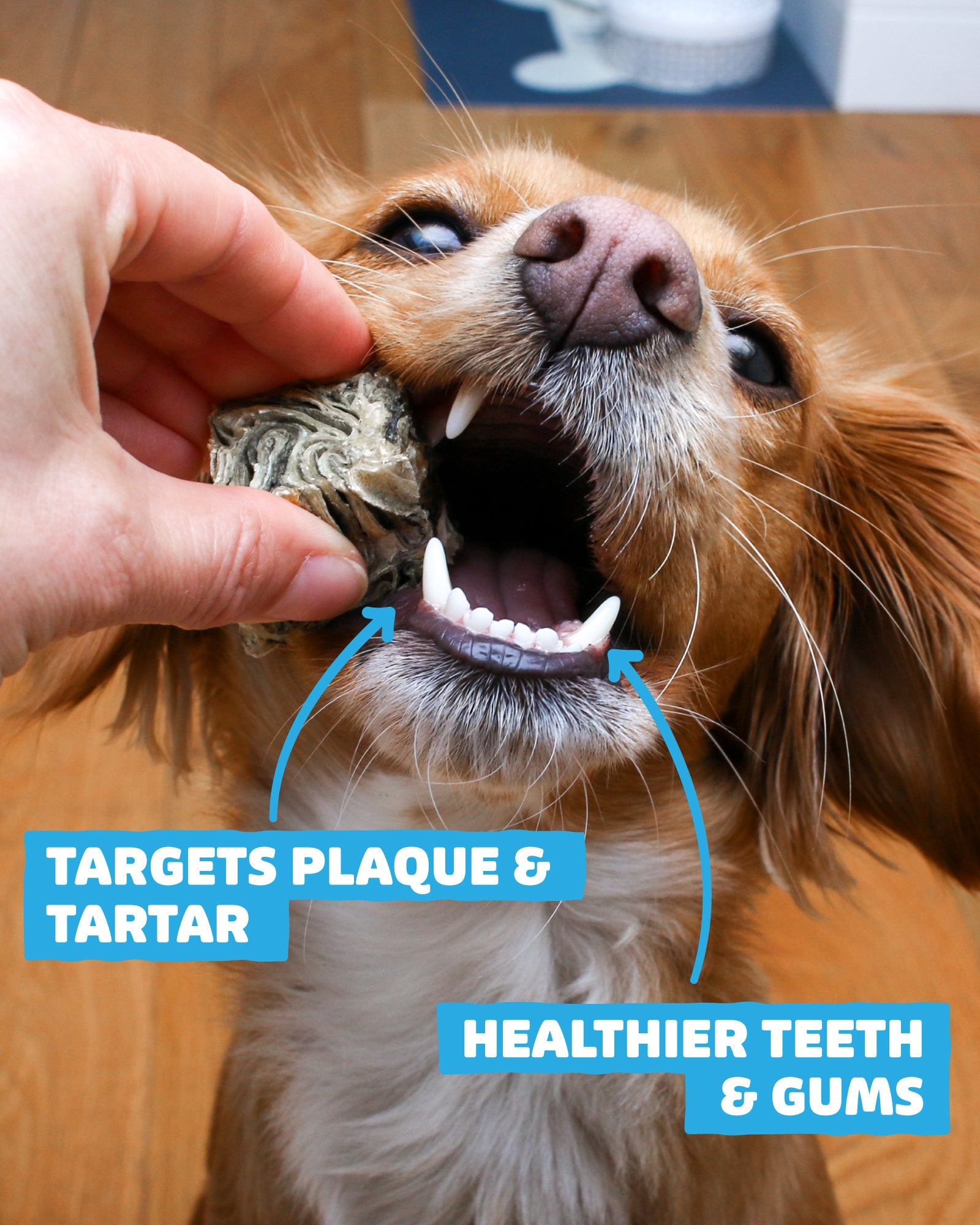
Rewards play a major role in successful recall training. High-value dog treats can motivate your dog to respond eagerly. Praise and affection also work well, especially for dogs with special dietary needs. Keep the reward enticing and switch it up to maintain interest. Be sure to reward even the smallest of progress to indicate to your dog that they are behaving in the correct way. Suddenly stopping these rewards may result in your dog losing interest in performing as trained.
Tips for Choosing Cues and Rewards
- Select a unique and clear recall cue
- Ensure consistency by using the same cue
- Use high-value treats or praise as rewards
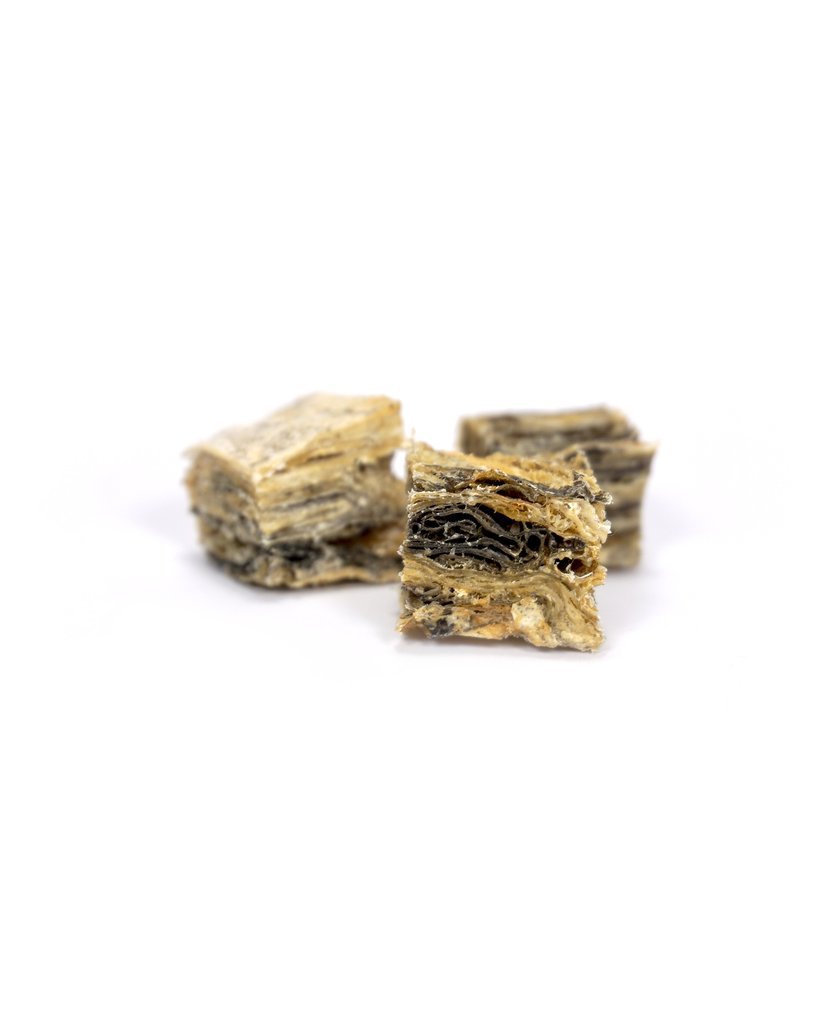
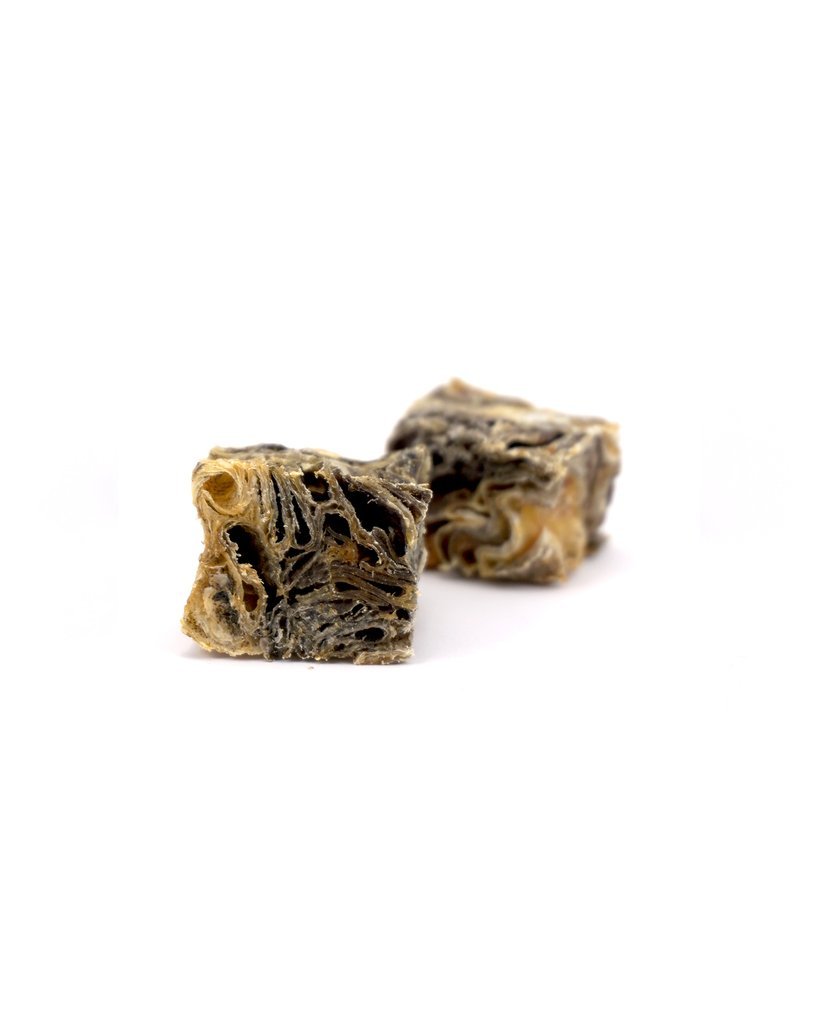
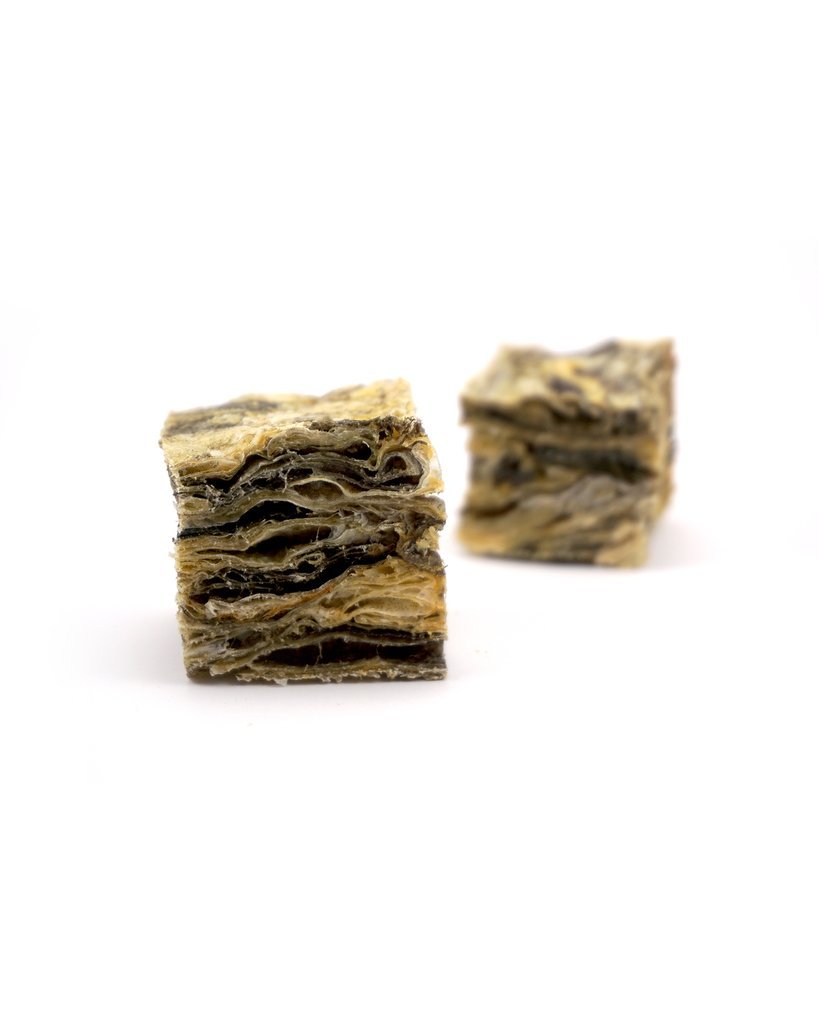
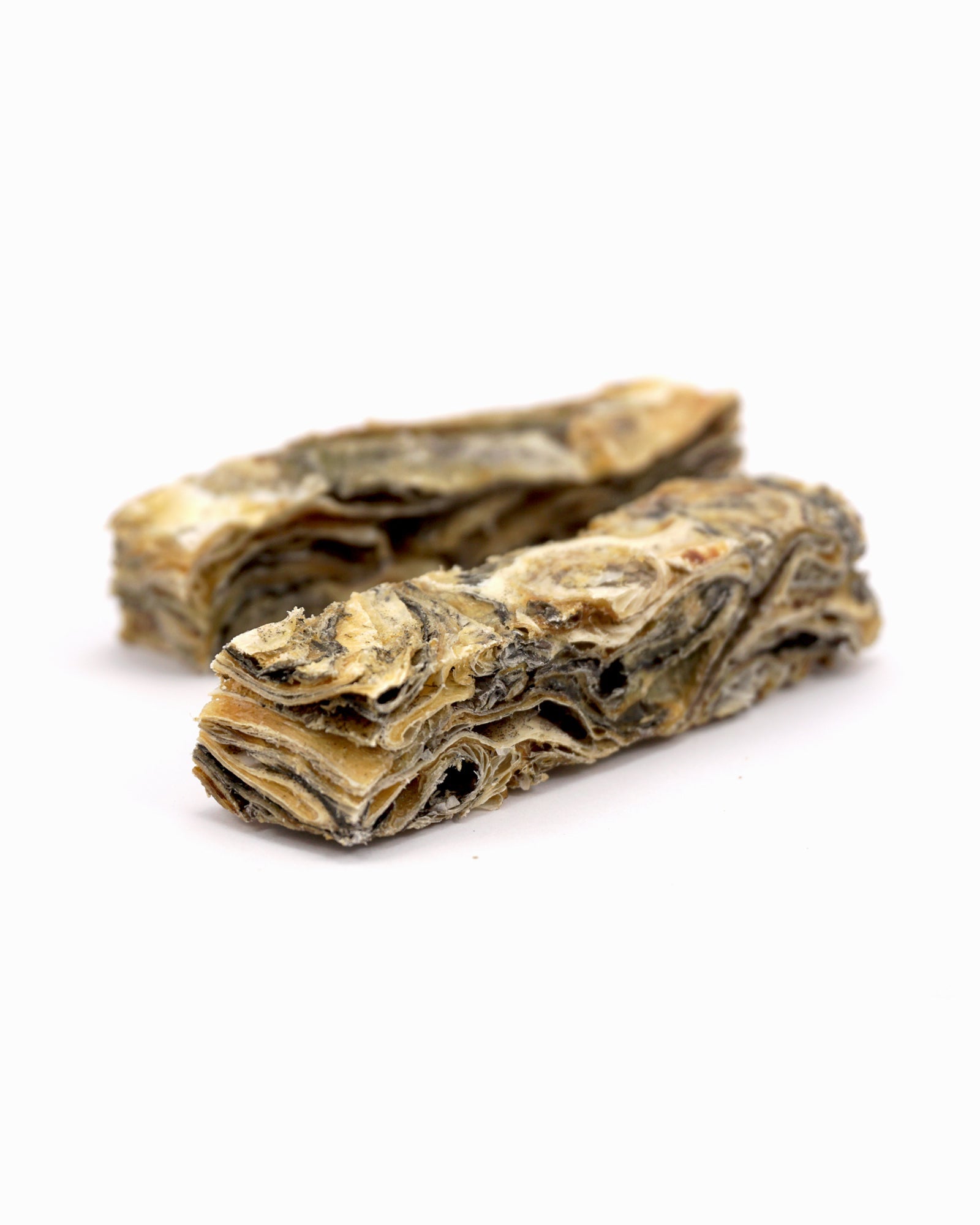
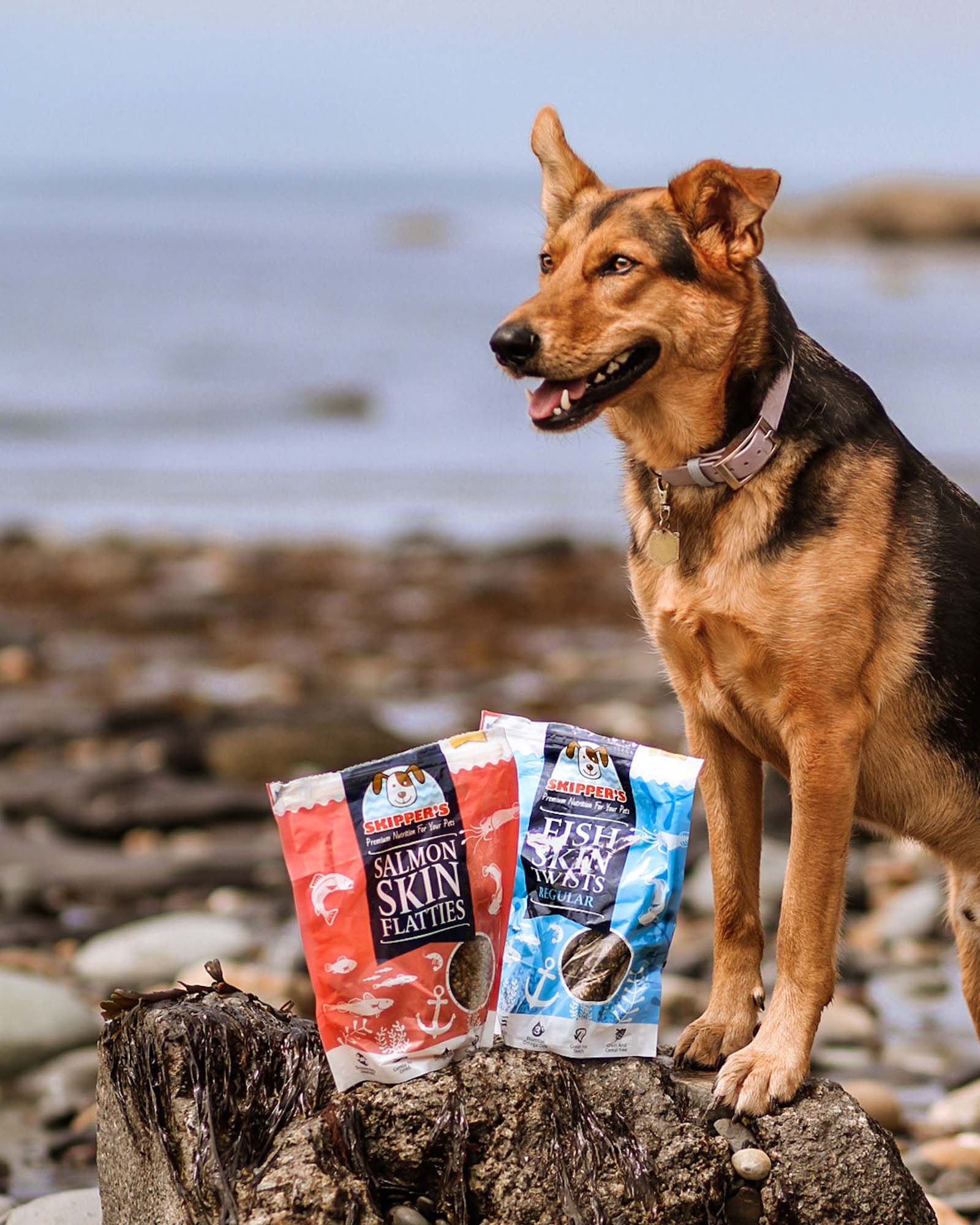
Whilst some dogs may be more motivated by their favourite toy, most would much rather indulge in a tasty treat. That’s why Adelaide Stewart-Jones has tried and tested some of Skippers Training Treats and concluded that the following led to the best performance:
Dried Sprats |
Whitefish & Herb Slices |
 |
 |
By integrating these techniques, you create a positive learning environment. Tailor your methods to suit your dog’s personality for optimal results. This way, recall becomes a joyful and rewarding experience for both of you.
Step-by-Step Guide: How to Teach a Dog Recall
Starting recall training requires patience and a distraction-free environment. Begin indoors or in a quiet back garden. The goal is to capture your dog’s attention without external disturbances.
- Introduce the cue: Start by standing a few feet from your dog. Call their name followed by the recall cue, like "come" or use a whistle.
- Reward immediately: As soon as your dog begins moving towards you, praise them enthusiastically. Upon arrival, reward them with a treat or favourite toy.
- Repeat in short sessions: Short bursts of training keep your dog engaged and prevent them from losing interest. Practise several times a day, but keep each session brief.
As your dog becomes more responsive, gradually increase the distance. Move to different areas inside your home or garden. Varying the location helps generalise the behaviour, ensuring your dog doesn’t associate recall with just one place.
Avoid punishing your dog if they don't respond immediately. Instead, offer encouragement and gently guide them back. Negative responses can create fear, hindering progress and trust.
Incorporate movement into training to make it dynamic. Use your voice and body language to encourage your dog to come. A cheerful tone and open arms make the recall inviting and exciting, without creating the idea that they may be in trouble or being called back as a result of misbehaviour.
Quick Steps for Recall Training Success:
- Start in distraction-free areas
- Use consistent cues and rewards
- Practise regularly and with patience
Remember, recall training is not just about command obedience. It builds a bond between you and your dog and helps ensure their safety in various situations.
Using Tools: Long Leads, Harnesses, and Clickers
Utilising training tools can enhance your recall training process. Long leads, harnesses, and clickers are invaluable aids. They offer control and improve communication with your dog.
Adelaide highly recommends starting with a long line lead to test your dog's current recall distance. “Start at 10 metres, and slowly work your way up to 20 metres, because if your dog does not respond to your cue at 10 metres on the long line, it certainly won’t respond to 20 metres, without it.” A long lead allows your dog the freedom to explore while still being under your guidance. This helps in open areas where distractions abound. Harnesses provide safety, preventing neck strain during training.
Clickers are excellent for marking desired behaviour. They offer immediate feedback, ensuring your dog knows precisely when they’ve done well. Use clickers if your dog is already familiar with them, and pair each click with a reward to strengthen the association.
Recommended Tools:
-
Long lead: Provides controlled freedom.
-
Harness: Ensures your dog's safety.
-
Clicker: Offers clear positive feedback.
Select tools that suit your dog’s size and personality. These tools can make recall training more effective and enjoyable for both you and your dog.
Making Recall Fun: Games and Motivation
Incorporating fun into recall training can significantly boost your dog's response. Games and play provide motivation, making learning a joyful experience. Dogs are more likely to engage when they enjoy the activities.
One effective game is "hide and seek," where you call your dog to find you. This game strengthens the recall command in a playful context. It also encourages your dog to think and act quickly.
Another engaging idea is using fetch. Call your dog to come back with a toy, reinforcing both play and recall. Introducing treats in these activities adds an additional layer of motivation.
Fun Recall Activities:
- Hide and seek: Engage your dog with excitement.
- Fetch: Combine play and training.
- Treat trails: Create scent pathways for exploration.
Making recall training enjoyable encourages your dog to respond eagerly. It enhances not only their recall skills but also your bond.
Troubleshooting Common Recall Problems
Challenges in recall training can be frustrating but are quite normal. Identifying common issues can help you adjust your approach effectively. Consistency and patience are key to overcoming these hurdles.
One frequent issue is the dog ignoring the recall command. This often happens when distractions are too appealing. Start by minimising distractions and gradually reintroducing them as your dog improves. Don’t be afraid to start again with a recall at home. Remember, this is for your dog’s safety and also your peace of mind.
Another problem is the dog being reluctant to come due to past negative experiences. Make sure every recall session is a positive experience. Avoid calling your dog for unpleasant tasks like baths immediately after calling them, to prevent negative associations.
Common Recall Problems and Solutions:
- Distraction overwhelm: Reduce distractions initially.
- Negative associations: Ensure positive reinforcement.
- Lack of consistency: Stick to regular sessions.
Always remember, patience and understanding your dog's unique needs can lead to successful recall training. Adjust techniques as needed to suit your pet's behaviour and ensure reliable recall.
Advancing Recall: Adding Distractions and Real-World Practice

Once your dog has mastered recall in a controlled environment, it's time to add distractions. Start introducing mild distractions gradually to build their focus and response. This method strengthens their ability to recall despite tempting stimuli.
Choose locations where distractions are manageable, like a quiet park with occasional pedestrians. The goal is to help your dog remain focused even when minor distractions are present. Increase the complexity of the environment as your dog becomes more reliable with their recall.
Practising recall in real-world scenarios is crucial for generalising the behaviour. Include everyday settings like neighbourhood walks or visits to the beach. This variety ensures your dog can respond in all situations. Keep sessions short to maintain your dog's interest.
Suggestions for Real-World Practice:
- Gradual distraction increase: Begin with mild distractions.
- Varied environments: Practise in parks, streets, etc.
- Consistent reinforcement: Always reward good behaviour.
Varying the setting allows the dog to understand that the recall command applies everywhere. This approach keeps the training realistic and effective.
Lifelong Recall: Maintaining and Improving Your Dog’s Response
Recall training is not a one-time task; it requires lifelong practice. Regular reinforcement helps keep your dog's recall sharp and reliable. Integrate recall commands into daily routines and activities to ensure constant practice.
To maintain improvement, vary the rewards and scenarios. Keep your dog guessing and engaged by mixing treats, praise, and playtime. This variation sustains their interest and motivation, preventing the recall command from losing its effectiveness.
Tips for Lifelong Recall:
- Frequent practice: Use recall in daily activities.
- Varied rewards: Mix up treats and toys.
- Consistent engagement: Keep commands fresh and exciting.
This ongoing commitment strengthens your bond and ensures a dependable recall response. It also promotes your dog's long-term obedience and safety.
Key Takeaways for Successful Recall Training
Mastering recall training for dogs involves patience, consistency, and positive reinforcement. Always aim to keep training sessions engaging and enjoyable to ensure your dog's enthusiasm and cooperation. Here are the essential points to remember:
- Consistency is key: Use the same recall cue every time.
- Positive reinforcement works best: Reward generously with treats or praise.
- Vary environments: Practise in different settings to build reliability.
Adhering to these principles will help you achieve a dependable recall and a happier, more obedient dog.