





Epilepsy is a common neurological disease that is characterised by unpredictable recurrent seizures. And to the surprise of some, this complex brain disease can happen within both humans and domestic dogs! In fact, as per recent research conducted by the Royal Veterinary College, epilepsy is the most common long-term neurological disorder experienced by dogs, affecting around 50,00 dogs in the UK. But, what causes epilepsy in dogs?
What causes epilepsy in dogs?
Like most illnesses, there are several underlying diseases and other factors that can cause seizures to occur within your dog. And whilst some are more common than others, it’s important to note that epilepsy in dogs can become present at any age, depending on underlying factors. Some of the most common causes of epilepsy in dogs include:
Idiopathic Epilepsy
This variant is most common in those between 6 months to 6 years of age, however no underlying cause for repeated seizures have been raised. As per a recent study conducted by the National Library of Medicine, 63% of epileptic cases in dogs are presumed to be idiopathic, and more often than not, it is assumed to be a combination of both genetic and environmental factors with some breeds being more at risk than others. Just some of the breeds which are most commonly affected include:
-
Border Collies
-
Pomeranians
-
Pugs
-
French Bulldogs
Structural (Secondary) Epilepsy
In comparison to Idiopathic Epilepsy, this form is caused by a known issue in the brain, including problems with:
-
Bleeding
-
Inflammation
-
Development Problems
Metabolic disorders of the brain can also lead to a change in a dog’s structure and neuronal degeneration. This includes Lofora’s disease which is caused by a gene defect leading to a toxic substance accumulating cells and changing the structure of the brain. As a result, this causes seizures to occur.
Reactive Seizures
If a dog experiences metabolic changes or poisoning, this can cause a temporary problem in their brain functioning, therefore leading to reactive seizures. Luckily, this effect is reversible once the cause of the issue is discovered and treated appropriately.
Just a few examples of metabolic changes which can occur within dogs include:
-
Addison’s Disease
-
Portosystemic Shunts
-
Diabetes Mellitus

Epileptic Seizures
What should I do when my dog has a seizure?
Naturally, seeing a dog having a seizure is never a pleasant experience and, as a result, can be extremely upsetting. However, it is important to remain calm during these times and remember that your dog is not in pain, as they will be unconscious.
Throughout the event, ensure your dog is not in any position which could put them in danger and try to make sure that the area around them is also clean. More importantly, do not put your hand inside their mouth. This is because dogs cannot swallow their tongues during fit, and you therefore put yourself at risk of being unintentionally bitten.
And of course, be sure to contact your vet right away to make them immediately aware of the issue at hand, as well as being able to receive further support and guidance over the phone.
How is epilepsy diagnosed?
Although epilepsy in dogs is a common illness, it is also very easily misinterpreted. This is because many dog owners will record their dog having a seizure to show to their vet in the hopes of a diagnosis. However, as per research conducted by the RVC, it is difficult for vets to be able to tell from the footage what type of seizure the dog experienced and therefore specialists are less likely to diagnose a seizure than non-specialists. Instead, they’re more likely to diagnose less common conditions.
Regardless, in order to work towards an official diagnosis of epilepsy in dogs, you must engage in the following multi-step process:
-
Observation of History: Make a note of what your dog was doing both before, during and immediately after the episode. You should also note down whether the seizure was focal (affecting parts of the body) or generalised (including stiffening, paddling and loss of consciousness).
-
Physical and Neurological Exams: Following observations, your vet will then conduct a set of exams to identify any abnormalities in reflexes, coordination or mental state between the events of the seizure.
-
Blood and Urine Tests: These tests then follow to rule out conditions outside of the brain. This may involve a complete blood count and biochemistry profile, urinalysis or a bile acid test.
-
Advanced Diagnostics: From this, if all bloodwork is clear and primary epilepsy is suspected, you may be referred to see a veterinary neurologist. Part of this advanced testing includes an MRI and a Cerebrospinal Fluid Analysis.
How is epilepsy in dogs treated?
When it comes to treating epilepsy in dogs, there are several different options to choose from, with one of the easiest and most common being actions of home management. For example, keeping a diary of all the foods your dog eats or the actions they conduct both before, during and after an episode, can be extremely effective in helping with a diagnosis when discussing the matter with a veterinary professional.
Additional support can also be given in the form of their direct and anti-epileptic drugs (AED’s). By combining these treatments, you will be increasing the chances of reducing the frequency and severity of the episodes that your dog endures.

How do I care for an epileptic dog?
Medication
ASM’s (Anti-Seizure Medications) are a primary treatment for epilepsy as they work to maintain symptomatic treatments in both dogs and humans.
The overall goal of this epileptic therapy is to completely eliminate all seizures. However, in the event that this is not always possible, the secondary goal becomes reducing the severity and frequency in which they occur.
For those with dogs taking these medications, it’s very important that they are treated on the daily, throughout their lifetime. This is because this treatment only symptomatically suppresses the seizures, and without them, they can return to the severity they once were.
Diet
When it comes to treating epilepsy in dogs with food, a great place to start is with MCT oil. This ingredient can be added to your dogs regular meals and act as an energy source to the brain. In fact, it has clinically shown to reduce both the frequency and severity of seizures within epileptic dogs when used alongside medication!
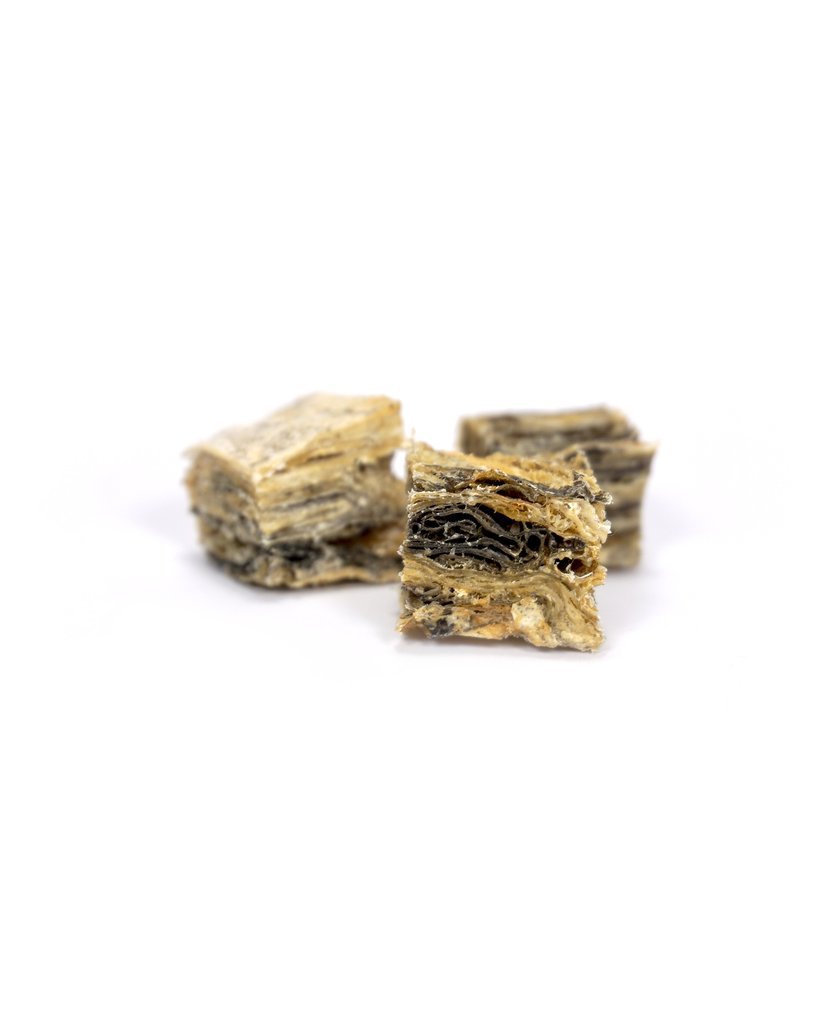
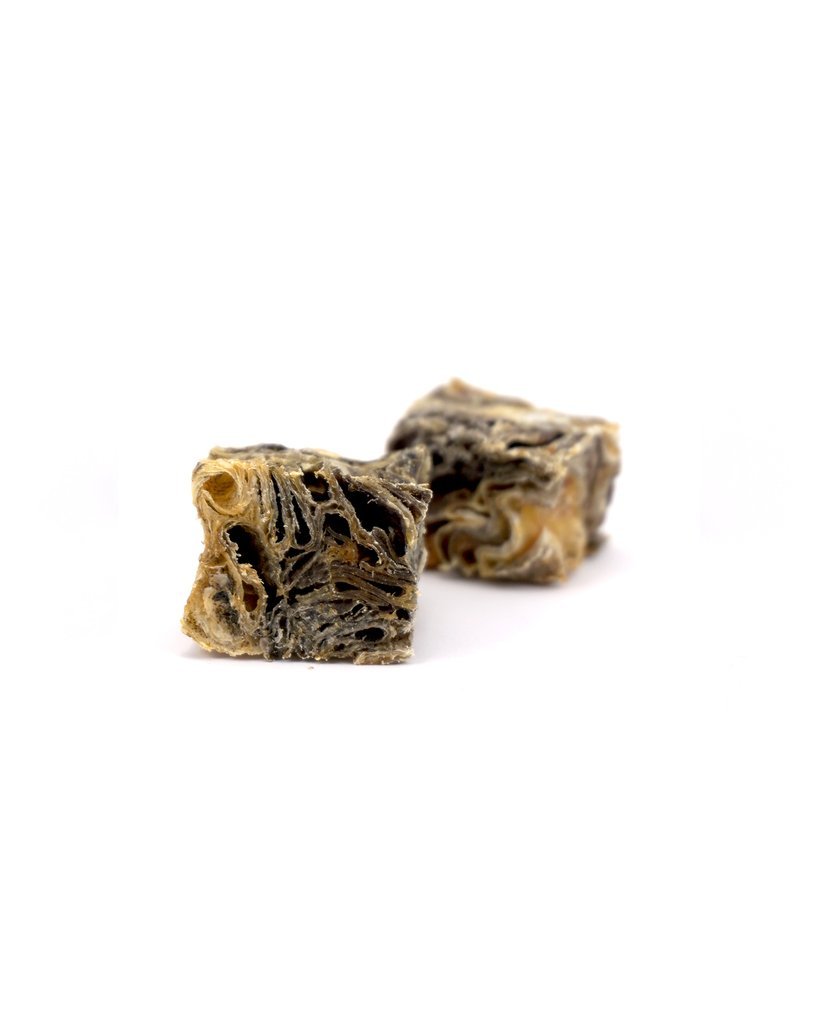
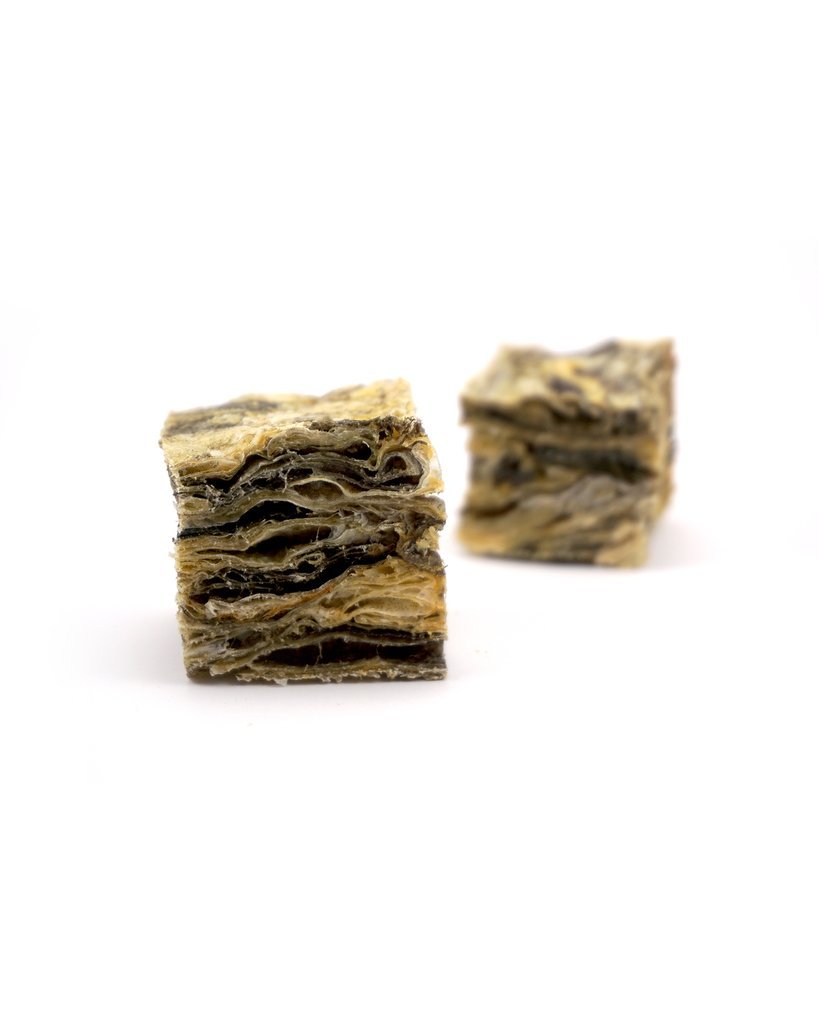
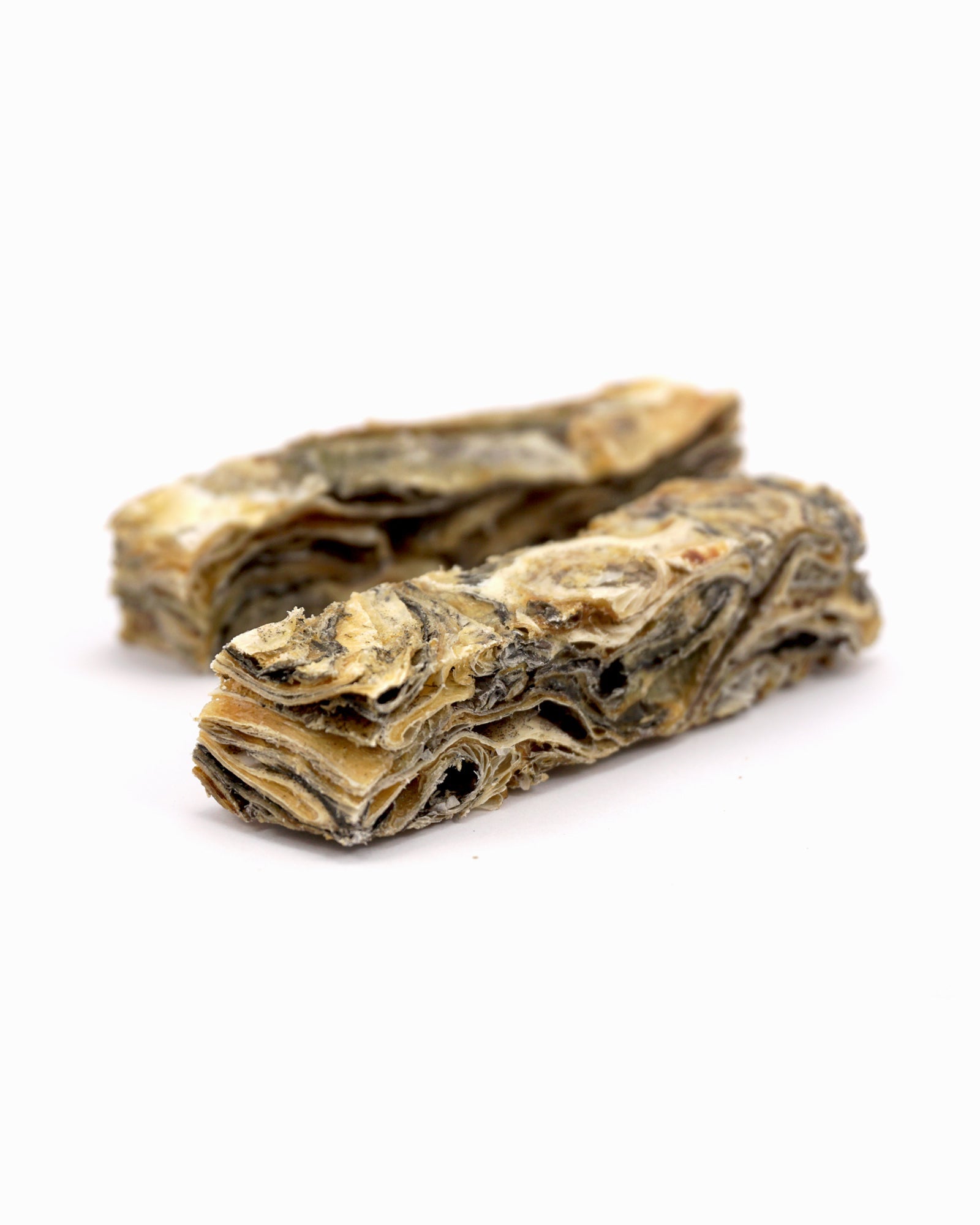
Fresh, whole food alternatives are also an effective method in supporting dogs with epilepsy. In particular, both foods and treats that are grain-free or contain very minimal ingredients are excellent for this cause. An initial option to start with would be single ingredient fish treats, just like Skippers! They’re low in fat, grain free and come with a multitude of additional health benefits too. Check out some of these treats below:
Fish Skin Twists |
Fish Skin Cubes |
Fish Finger Skins |
 |
 |
 |
And whilst these are a few examples of effective dietary approaches, one ingredient that those with epileptic dogs are highly encouraged to avoid is rosemary in its entirety. This is because the herb acts as a neurological stimulant in your dog’s brain, which lowers their natural seizure threshold.