





When our dogs play fight with another dog a little too rough, our hearts race, worry starts to creep in, and we have a myriad of questions. One most prominently occuring question is "how do dogs play with each other?" and "what to do if dogs are play fighting?"
Have you ever found yourself pondering whether your dog's play fighting is innocent or concerning? This blog shall provide with you with answers to almost all of your questions regarding play fighting."
Play fighting is a natural behaviour in dogs that they develop at a very early age. In this blog, you will delve deep into the fascinating world of dog play fighting, unveiling everything you need to know to better understand and interpret this seemingly boisterous behaviour. We explore the motivations behind their play, the distinct signs to look out for, and, most importantly, how to ensure the safety and well-being of your dog and the others they interact with."
Why do dogs play fight?
Play fighting is a natural behaviour deeply rooted in your dog's ancestral instincts and social dynamics. By engaging in playful fighting with one another, dogs learn important lessons that shape their social skills, teaching them how to interact with their fellow canines in a positive and non-threatening manner.
Below, we break down the key reasons behind play fighting and what your dog gains from it.
Ancestral and social roots
Dogs have been play-fighting long before they were domesticated. In the wild, young canines practised mock battles to develop coordination, problem-solving skills, and confidence around their pack. Today, domestic dogs still engage in play fighting for the very same reasons.
This instinctive behaviour helps your dog understand social dynamics. Through playful interactions, they learn how to approach, engage with, and respond to other dogs in a way that keeps things friendly rather than threatening.
Communication and learning boundaries
Play fighting is one of the main ways dogs communicate with each other. It allows your dog to practice various body language cues, such as play bows, bared teeth, and gentle nips, which help establish boundaries and maintain harmony during social interactions. This is also how dogs develop bite inhibition, which is when they learn to control the force of their bite so it stays playful and harmless.
Physical and mental benefits
Furthermore, apart from socialisation, play fighting is a form of exercise and mental stimulation for your dog. It provides an outlet for your dog to burn off excess energy and exercises their brain as they constantly assess their opponent's moves, anticipate actions and adjust their strategies accordingly. This helps keep your dog physically fit and mentally engaged.
Is it ok for dogs to play fight?

Yes, it is okay for dogs to play fight as it's perfectly normal and healthy, as long as certain conditions are met and the play remains friendly and non-aggressive. It's crucial that the play remains safe and doesn't cross the line into real tension.
Healthy play fighting should always be mutual. Both dogs should choose to take part, show loose and relaxed body language, and swap roles throughout the interaction. For example, you should see that both dogs take turns being the "chaser" and the "chasee", wrestling, or being on top. These natural pauses and role reversals show you that the interaction is consensual.
Play fighting should never escalate into real aggression. Whilst dogs may growl or make lots of noise during play, play fighting should never escalate into real aggression. If any of the dogs show signs of fear, anxiety, or aggression (such as growling, snarling, snapping, or intense body postures), it's essential to intervene and redirect their behaviour.
You should always supervise your dog's play fighting sessions to ensure they remain safe and appropriate. Be ready to step in if necessary, redirecting both dogs' attention or providing a time-out if the play becomes too intense or one-sided.
Considering the age, breed, and type of dog during play fighting
Not all dogs play in the same way, and differences in age, breed, size, and physical ability can affect how safe or suitable play fighting is. Understanding these differences helps you supervise more confidently and ensures every dog involved stays comfortable and safe.
Puppies vs adult dogs
The difference between puppies and adults when play fighting tends to be significant. Puppies are often chaotic and uncoordinated. This is because they’re still learning social skills and boundaries. At the same time, adult dogs tend to play with more control and will often naturally correct the puppy’s behaviour. When pairing the two, monitor both dogs to ensure the puppy doesn’t overwhelm the adult, and the adult’s correction isn’t overly harsh.
High-energy or flat-faced (brachycephalic) breeds
There are certain dog breeds, such as collies, spaniels, or terriers, that are inherently more high-energy than others. You'll find that high-energy dogs often play fast, rough, and for longer periods because they naturally have more energy to burn. Pairing a high-energy dog with a calmer dog can be very overwhelming for the calmer dog, so it's important to ensure the calmer dog has opportunities to pause or opt out. Additionally, pay closer attention for signs of them feeling tired or stressed.
On a similar note, flat-faced (brachycephalic) dog breeds, such as pugs or bulldogs, can struggle with breathing, especially during intense play, so short play sessions with regular breaks are essential.
Matching large and small dogs safely
Although large and small dogs can safely play together, the size difference increases the risk of accidental injury. Even if the larger dog is a gentle giant, they can unintentionally knock over or step on the smaller dog during play fighting. It's best to keep sessions short, controlled, and well-supervised. If the play fighting becomes unbalanced or too rough, step in to stop the play fighting session.
Dogs with health or mobility issues
It's essential to keep in consideration if a dog has joint problems, arthritis, past injuries, or mobility limitations, as they may struggle to keep up with play fighting. They may also be more sensitive to knocks or bumps. For some dogs, supervised sniffing, gentle chasing games, or low-impact interactions may be a better option than play fighting.
How to tell whether your dog is playing or being aggressive
Differentiating between a dog's playing and aggressive behaviour can be done by observing their body language and behaviour closely. Playful dogs exhibit relaxed body postures, wagging tails, and open mouths with relaxed lips. So if you are confused and worried as to how do dogs play with each other, know that:
- They engage in gentle mouthing and inhibited bites during play.
- Taking turns as the "chaser" and the "chasee".
- Play invitations, such as play pows, bouncing, and pawing.
- Vocalisations such as barking are typically higher-pitched and accompanied by a wagging tail.
In contrast, aggressive dogs display locked and loaded body language, where they shift their weight to the back of the legs. Aggressive vocalisations are low and deep, often accompanied by intense staring. Snapping, hard bites, lack of inhibition, and one-sided dominance may indicate aggression. Remember to ensure consensual participation, where both dogs willingly engage and take breaks if needed. If unsure, consult a professional dog trainer or behaviourist for guidance specific to your dog's behaviour.
Dog play fighting behaviours
You may marvel at their lively and spirited interactions when observing your dog play fighting. Dogs possess an innate instinct to play, and play fighting is a prominent expression of their social nature. Understanding your dog's playful behaviours will provide valuable insights into the dynamics of their play and enhance your ability to differentiate between playful behaviour and true aggression.
Here is a list of behaviours your dog may exhibit when play fighting:

Exaggerated and energetic movements
During play fighting, your dog can often display exaggerated and bouncy movements. They may leap, bounce, and engage in energetic running patterns (dog zoomies). These playful movements reflect their excitement and joy, showing that they are engaging in friendly play rather than aggressive behaviour. Exaggerated and energetic movements.
Play bow
A distinctive behaviour seen during play fighting is the play bow. Dogs will lower their front end, keeping their rear end up in the air. Researchers found that dogs play bow to clarify playful intent. It signals to other dogs that the interaction is not aggressive, especially before or after misinterpretable behaviours..
Open-mouthed grin
An open-mouthed grin is a common expression dogs exhibit during play fighting. Their mouths are relaxed, tongues may loll out, and they may appear to be smiling. This facial expression reflects their enjoyment and relaxed state, indicating that they are engaging in playful behaviour rather than aggression.
Loud exaggerated growling
Playful growling during play fighting is often high-pitched, accompanied by wagging tails, and does not show signs of aggression. It can be loud and exaggerated, but lacks the low and intense tone associated with real aggression. This vocalisation is a way for dogs to express excitement and enthusiasm during play.
Willingness to continue play fighting
One characteristic of play fighting is that dogs will willingly and eagerly return to the play fight after brief pauses or breaks. They may take turns being the initiator or the recipient of play fighting, showing a desire to continue the interaction. This behaviour demonstrates a consensual and enjoyable play dynamic.
Dog behaviours suggesting real fighting
When observing dogs, it's essential to be aware of behaviours that indicate a shift from play fighting to actual aggression. Recognising these signs is crucial for maintaining a safe environment for both dogs and humans.
There are key behaviours that suggest a departure from playful interactions to genuine fighting, and by understanding these signs, you can intervene appropriately and prevent escalation.
Here are behaviours that indicate a dog moving away from playful engagement towards potentially dangerous aggression:
Stiff bodies and raised hackles
When dogs are transitioning from play fighting to real fighting, their bodies become tense and stiff. They may display a shift of body weight to their back paws and raised hackles, which are the hairs along their back and neck standing on end. These physical signs indicate heightened arousal and potential aggression. The dog's posture becomes more rigid, with little to no relaxation or playfulness.
Quick, stiff movements without bounciness
Unlike the exaggerated and bouncy movements seen during play fighting, dogs exhibiting real fighting behaviour display quick, purposeful, and stiff movements. They lose the playful and lighthearted demeanour, instead showcasing a more focused and intense approach. Their movements lack the fluidity and bounciness associated with play, becoming direct and purpose-driven.
Closed mouth with a curled lip
In a real fight scenario, dogs often close their mouths tightly, sometimes curling their lips to expose their teeth. This differs from the open-mouthed expression seen during play fighting. The closed mouth and curled lip can indicate an aggressive stance and a readiness to escalate the conflict. It is a clear warning sign that the dog's intention has shifted from playfulness to potentially aggressive.
Grumbling growl
During real fighting, dogs may emit a low and deep growl with a grumbling tone. This growl differs from the playful, high-pitched vocalisations heard during play fighting. The grumbling growl indicates a more serious and intense level of aggression. It serves as a vocal warning that the dog is ready to engage in a physical altercation if the situation persists.
Attempted escape or avoidance by one dog
In instances of real fighting, one dog may exhibit clear attempts to escape or avoid the other dog. This can be seen through retreat, turning away, or actively trying to distance themselves from the interaction. The dog's body language may reflect fear or discomfort, including signs such as cowering, tail tucking, or seeking shelter. Recognising and addressing this behaviour is essential to prevent further escalation and prioritise the well-being of both dogs involved.
Guide to encouraging healthy dog play fighting
Healthy play fighting is something dogs learn over time, and with the right guidance, you can help any play session stay safe, positive, and fun. Following our steps below will help your dog develop good play habits, build confidence, and enjoy interacting with other dogs in a controlled way.
Introducing unfamiliar dogs safely
In the situation where you're introducing two dogs that haven't met before, the goal is to keep the environment calm and neutral. To start, let both the dogs observe one another from a distance whilst keeping the leads loose. Once they show signs of being more relaxed, such as soft tails and a loose posture, gradually allow them to move closer.
Allow for brief sniffing, then gently guide them apart for a quick break before letting them interact again. These small pauses prevent tension from building and help reduce excitement.
It's important that if either dog starts to show stiffness, avoidance, or sudden intensity, move both dogs apart to help them reset.
Supervised sessions from short to longer play
Sometimes, especially when a dog is excited, they need help learning how to pace themselves. To start, keep the play fighting sessions short, move the dogs apart, and praise both for taking a break. When both dogs are calm, allow them to resume play fighting.
The structured pauses in between play fighting teach dogs to self-regulate and prevent play from tipping into frustration or accidental roughness. As both dogs become comfortable and show good manners, you can gradually increase the length and intensity of play.
Teaching “pause”, “gentle”, or “take a break” cues
Cues like “pause”, “gentle”, or “take a break” help keep play safe and controlled. Start by practising these cues at home during calm moments, and reward your dog for stopping what they’re doing when asked, even if just for a second.
Once they reliably respond, begin using the cue during play. Call them away, reward the pause, and then allow them to return to play once they’re settled. This teaches your dog that slowing down doesn’t end the fun.
Common play problems
Unfortunately, although play can start well, there can be times when play fighting shifts and becomes unbalanced, or not as friendly as it should be. These issues are common, and with the right approach, you can help guide your dog back.
One dog repeatedly dominates the other
The balance between being the "chaser" and "chasee" should roughly be equal for both dogs. However, a common problem that occurs is when one dog is constantly being the "chaser". Signs of them being the more dominant one in the play fighting are that they may be pinning, chasing, or overwhelming the other.
If you notice this, or find that one dog is trying to hide, avoid eye contact, freeze, or repeatedly tries to disengage, step in and separate both dogs for a short break. Only let them re-engage if the quieter dog appears willing to. If the pattern continues, it may be that both dogs are not a compatible match for rough play.
Play escalates too often or too fast
Another common problem is that the rough-and-tumble of play fighting can turn intense within seconds. It may be that one or both dogs are overly excited or are both high-energy breeds.
At first sight, this can be worrying, however, it's important to note that the increased intensity of the play fighting doesn't mean that it's due to anything aggressive. However, in these situations, it's still best to make frequent pauses, as the risk of an accident is higher, and allow both dogs to calm down and re-engage in the play-fighting.
If you find that either or both dogs are struggling to disengage or calm down during these pauses, it's best to allow for a longer break or to end the play fighting session entirely.
Fearful dogs or dogs unwilling to engage
Not all dogs enjoy play fighting, and that's completely normal. A dog may avoid play because they feel anxious, fearful, unsure, or simply because the play styles are mismatched. You can spot when a dog is unwilling through subtle signs such as lip-licking, turning their head away, tucking their tail, or hiding behind a person or object.
It's vital that you do not force a dog to play, as it can increase their stress and may even lead to aggression towards the other dog. Instead, allow the dog to observe, get more comfortable, and build their confidence. Over time, they may engage, but for these types of dogs, it's best to pair them with a calm, gentle dog rather than a high-energy breed.
Helping dogs recover from negative play experiences
If you find that your dog was once willing to engage in play fighting, but is now reluctant, it may be due to a previous encounter that was bad. Whether that be due to being knocked down, nipped too hard, or overwhelmed, may have knocked your dog's confidence, or frightened them.
If they've experienced a negative experience, it's best to give your dog time and space to decompress and avoid high-energy dogs for play. Slowly reintroduce your dog to help them build back their confidence and trust. Keep the play sessions short and controlled, and in time, your dog should be back playing.
How to safely break up a dog fight
If a play fight between dogs escalates into aggression, it's important for a dog owner to intervene safely. Here are some steps to follow:
STEP ONE: Stay calm
Maintain a calm and assertive demeanour to avoid escalating the situation further.
STEP TWO: Use a distraction
Quickly redirect the dogs' attention away from each other. You can try redirecting their attention by doing one or more of the following:
Making a loud noise: Try making any loud noise you can, whether clapping your hands, banging metal bowls together, or yelling, which can momentarily distract the dogs.
Soaking the dogs in water: Using a hose, bucket, or bottle of water to distract the dogs can help break up the fight or slightly diffuse the situation.
Throwing a blanket or jacket over the dogs: If each dog is unable to see the other, this can stop the fighting and help to calm each dog down.
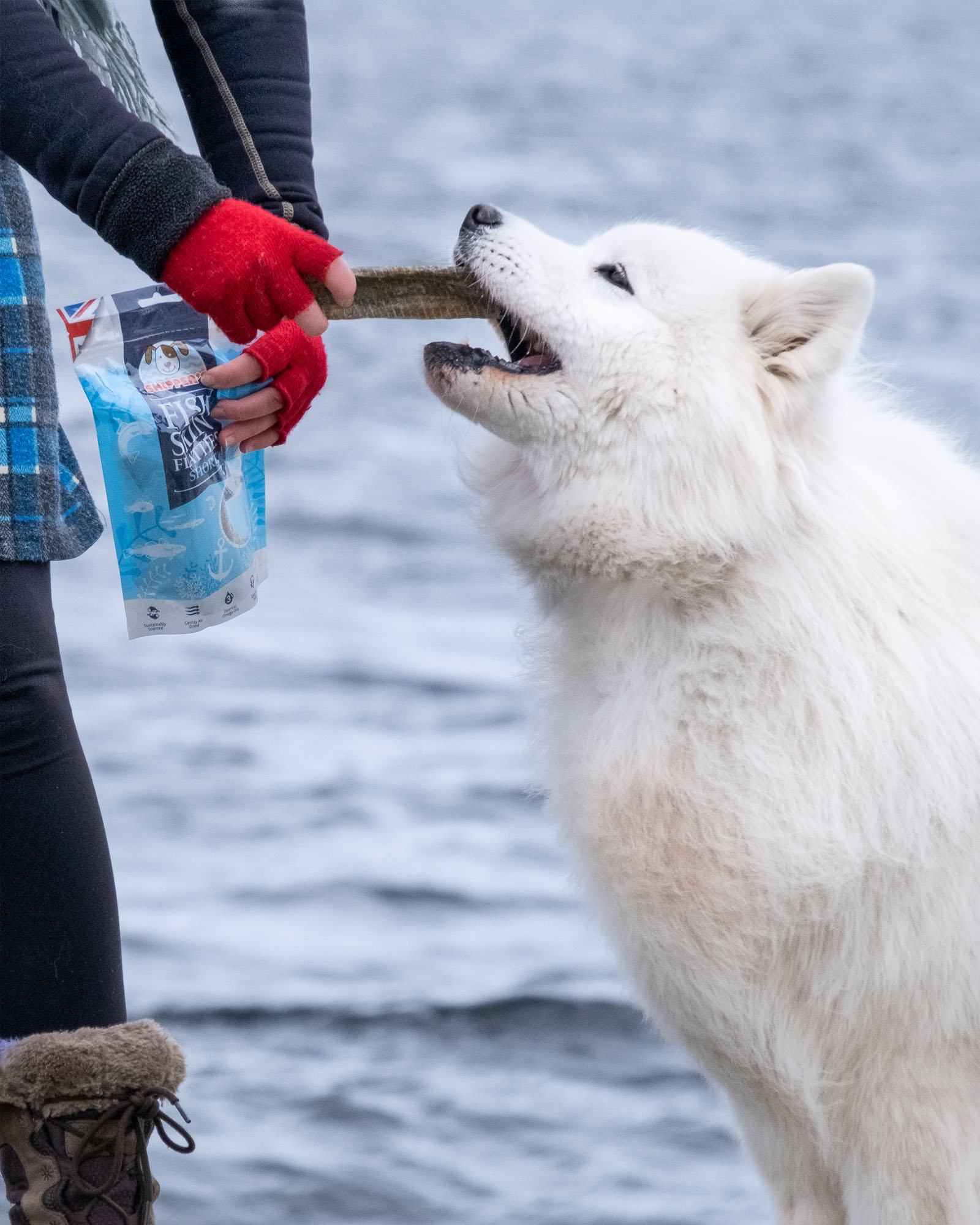
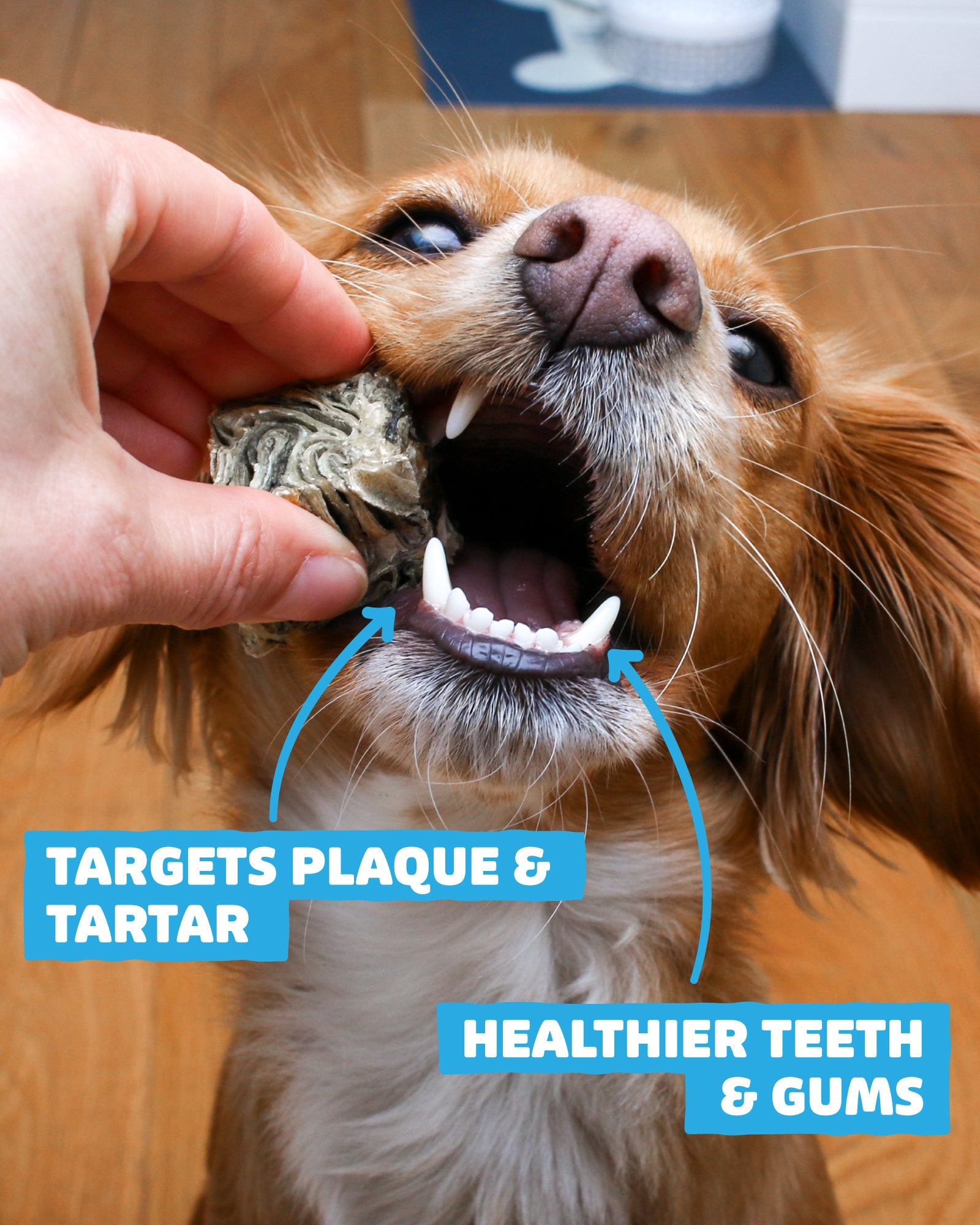
Toys and treats: A squeaky toy or their favourite toy may help distract the dogs and get them to walk away from the fight. Similarly, using their favourite treat or a high-value rewarding treat can pull them away from the fight. Additionally, using a long-lasting chew can come in handy to help redirect your dog's focus and help calm them down.
STEP THREE: Separate the dogs
If the distraction doesn't work and the aggression continues, it's crucial to safely separate the dogs. Do not attempt to physically separate them using your hands, as you may risk getting bitten. Instead, try using a barrier such as a baby gate or a leash to create distance between them.
Aggressive behaviour in dogs should not be taken lightly. It's important to consult with a professional dog trainer or behaviourist who can assess the situation and provide guidance on addressing the underlying issues causing the aggression and preventing future fights.
Vet thoughts on play fighting
Vet thoughts from Emma Chandley BVetMed PGCertSAS MRCVS.
From a veterinary standpoint, play fighting serves a crucial role in canine socialisation and development. These interactions function as a rehearsal for adulthood, allowing pups to hone critical communication skills. Through play fighting, they learn to decipher canine body language, practice bite inhibition, (the ability to control bite force), and establish appropriate boundaries with other dogs. This playful sparring fosters the development of proper canine social etiquette. However, it's important to distinguish between playful and aggressive interactions. Signs like escalating growls, stiff body posture, or persistent whining from one dog may indicate that play is transitioning into a more serious conflict. In such situations, a calm intervention is necessary. Separating the dogs for a brief time-out allows them to de-escalate and return to play once they've calmed down. By understanding these play dynamics, owners can help to ensure their dogs enjoy positive and enriching play experiences.